We get the same question from May through most of September, usually from someone standing in the shop holding clippers: should I just shave my husky, my pomeranian, my golden retriever, and get it over with. The answer is no, and it is worth explaining why, because the logic that gets people to the clippers is not unreasonable, it is just wrong about how the coat actually works.
Why shaving makes it worse, not better
A double coat is not there to keep a dog warm the way a jumper keeps you warm. The undercoat traps a layer of air close to the skin, and that layer of air insulates against heat coming in just as much as it insulates against heat escaping. Shave it off and you remove the buffer, not the problem. The guard hairs on top also block a meaningful amount of UV, so a shaved dog in Ras Al Khaimah sun is at real risk of sunburn on skin that has never had to cope with direct light before.
There is a longer term cost too. Some double coated breeds, huskies and pomeranians especially, do not reliably regrow a normal coat after a full shave. You can end up with a patchy, fluffy undercoat that never returns to the sleek guard hair pattern it had before, a condition groomers sometimes call post clipping alopecia. It is not guaranteed to happen, but it is common enough that we will not do a full shave on these breeds ourselves and we will talk you out of it elsewhere too.
What actually helps between May and September
- Deshedding, not shaving, two to three times a week. Pulling the loose undercoat out with a proper rake or deshedding brush improves airflow to the skin without touching the guard hairs that do the insulating and UV work.
- Walk before 7am or after 8pm. Tarmac in direct sun by midday in RAK can sit well above paw pad tolerance. Press the back of your hand to the pavement for seven seconds, if it is uncomfortable for you, it is too hot for the dog.
- Water everywhere, not just a bowl by the door. A moving fountain gets a lot of dogs drinking more than a static bowl, and more water intake is one of the simplest things that helps a dog regulate heat.
- Real access to air conditioning during the hottest hours, not a balcony or a car with the windows cracked. A parked car in direct sun here can pass dangerous temperatures within minutes, not hours.
- A cool, tiled spot to lie on rather than carpet or a heavily padded bed during the day. Dogs will find this themselves if you let them, do not fight it.
Insulation works both ways. The coat that keeps a husky warm in a Ras Al Khaimah winter is the same coat protecting it from the sun in August.
Signs you are past managing it and into a problem
Heavy panting that does not settle after ten minutes of rest, gums that look pale, very dark or dry, and a dog that is reluctant to stand up or walk are all reasons to get somewhere cool immediately and call a vet if they do not improve fast. Do not wait to see if it passes. Heatstroke in a thick coated breed can move quickly once it starts, and by the time a dog is visibly distressed it has usually been struggling for a while already.
None of this is complicated once you know it. Brush properly, walk at the right hours, keep water in front of them and keep the peak heat hours indoors. The coat was doing its job before you owned the dog, it does not need help from a pair of clippers.
Mentioned in this note
What we would reach for
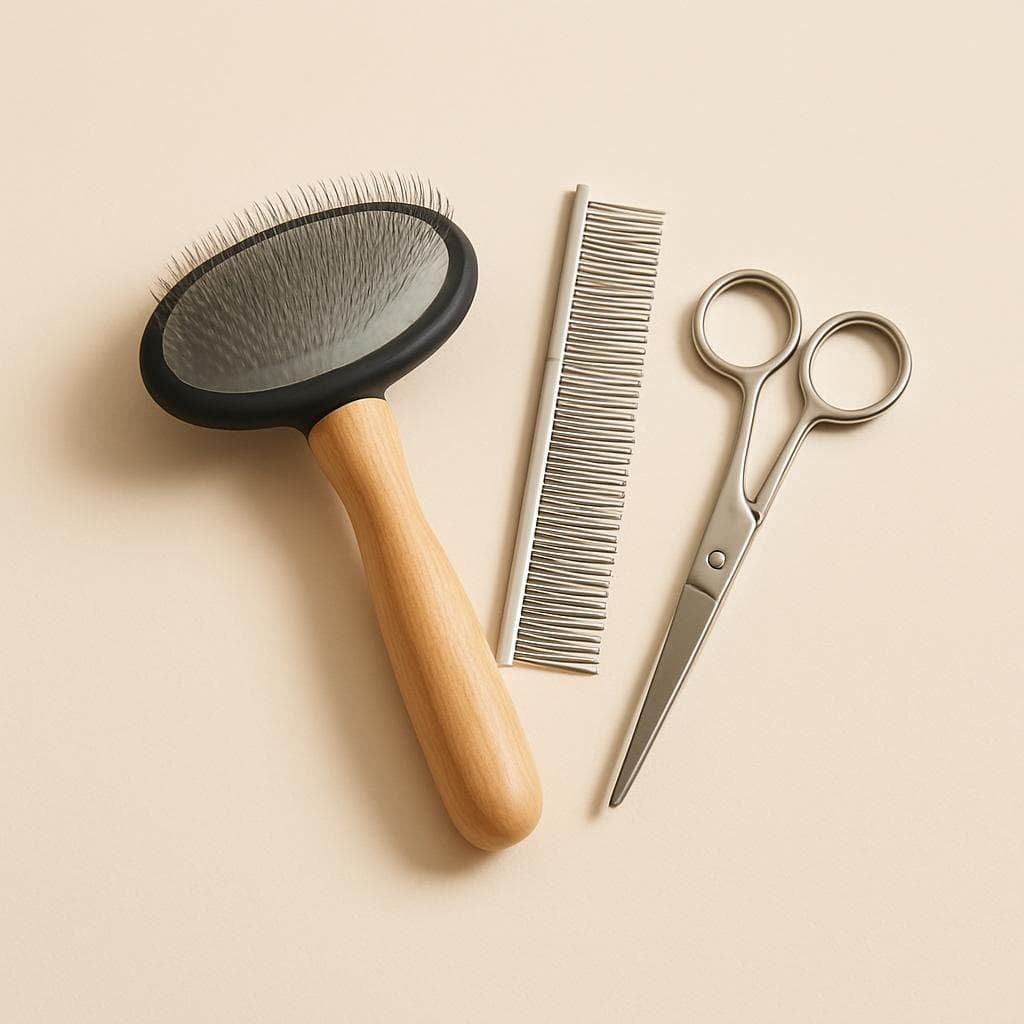
Pawline · Care and health
Pawline deshedding brush set
A slicker, a steel comb and rounded scissors. Enough to keep a double coat off your sofa year round.
4.7 (73)Rated 4.7 out of 5 from 73 reviewsAED 96 New in
Dune Harbour · Accessories
Springline 2.4L pet fountain
Ceramic, not plastic, because a cat that refuses to drink usually objects to the taste of the bowl.
4.4 (58)Rated 4.4 out of 5 from 58 reviewsAED 235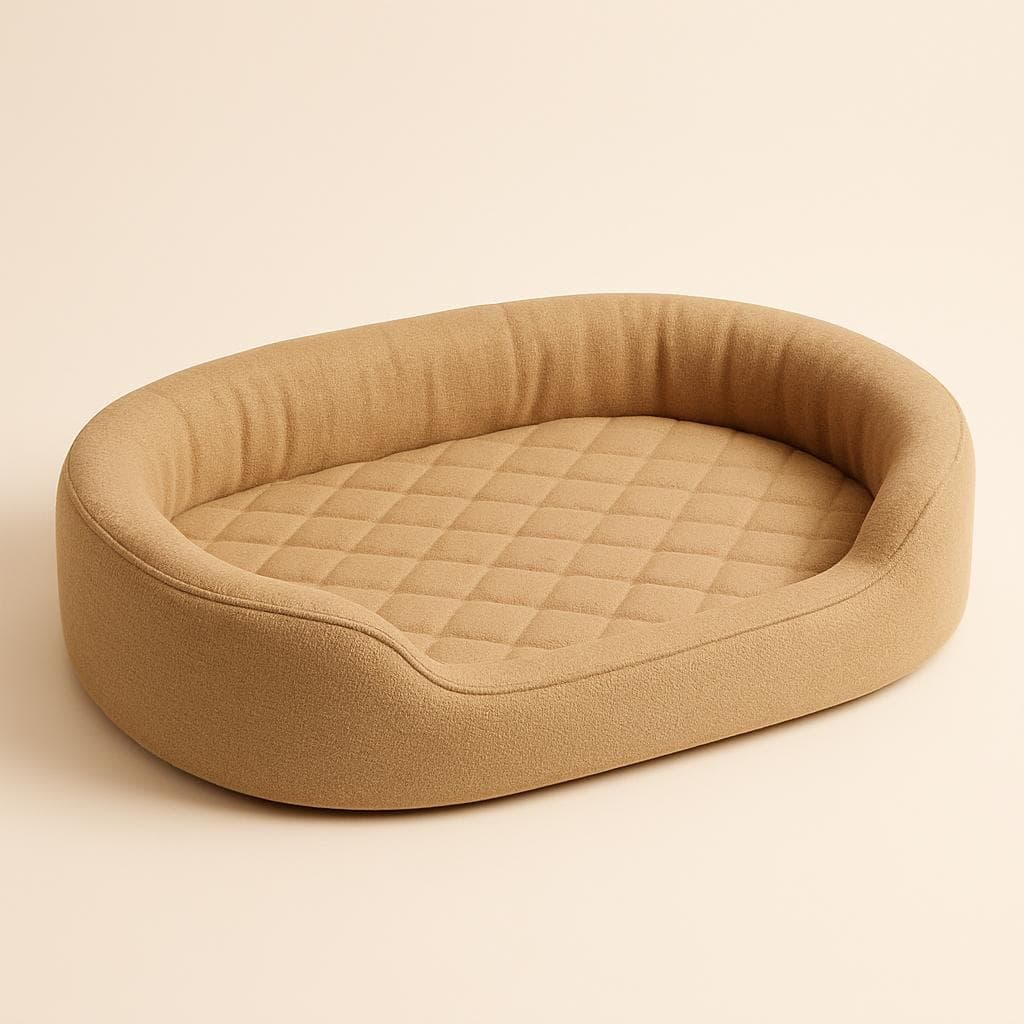 Bestseller
Dune Harbour · Dog
Dune Harbour orthopaedic bolster bed
A 9cm memory foam base under a washable cover, for dogs whose hips have opinions about tiled floors.
4.8 (56)Rated 4.8 out of 5 from 56 reviewsAED 385