
Every new keeper asks the same question in a different way: how long before I can add fish. The honest answer is not a number of days on a calendar, it is two readings on a test kit, and the water coming out of your tap in Ras Al Khaimah is part of why those readings take the time they do.
What is actually in the water here
Municipal supply across the emirate is desalinated, then remineralised before it reaches your tap. That second step is good for you and mildly annoying for a new aquarium, because it leaves the water harder than a lot of imported fish expect and it is treated with chloramine rather than plain chlorine. Chloramine does not gas off if you leave a bucket standing overnight the way old chlorine advice suggests. It needs a proper dechlorinator, dosed at every water change, every time, for the life of the tank.
None of this changes the chemistry of cycling. It changes how forgiving your tank is while it happens, and it means skipping the conditioner is the single most common reason a cycle stalls here.
The four week routine we give every new keeper
- Week one: dose dechlorinator on fill, then add an ammonia source, either a pinch of fish food left to rot or a bottled ammonia dosed to around 2ppm. Test daily. Ammonia will climb and stay high, which is normal and means nothing is alive to eat it yet.
- Week two: ammonia usually peaks and starts to fall as the first bacteria colony, the one that converts ammonia to nitrite, gets established. Nitrite appears on the test for the first time. This is progress, even though the numbers look worse.
- Week three: nitrite often spikes hard here, sometimes higher than the ammonia ever went, because the bacteria that consumes nitrite is slower to establish than the bacteria that produces it. Ammonia should be reading zero or close to it by now.
- Week four: both ammonia and nitrite drop to zero within 24 hours of a fresh dose, and nitrate starts to climb and stay up. That combination, not the date on the calendar, is what tells you the tank is cycled.
A tank is not cycled because the water looks clear. It is cycled because the bacteria can process what you put in it before you can see the difference.
The two readings that decide when fish go in
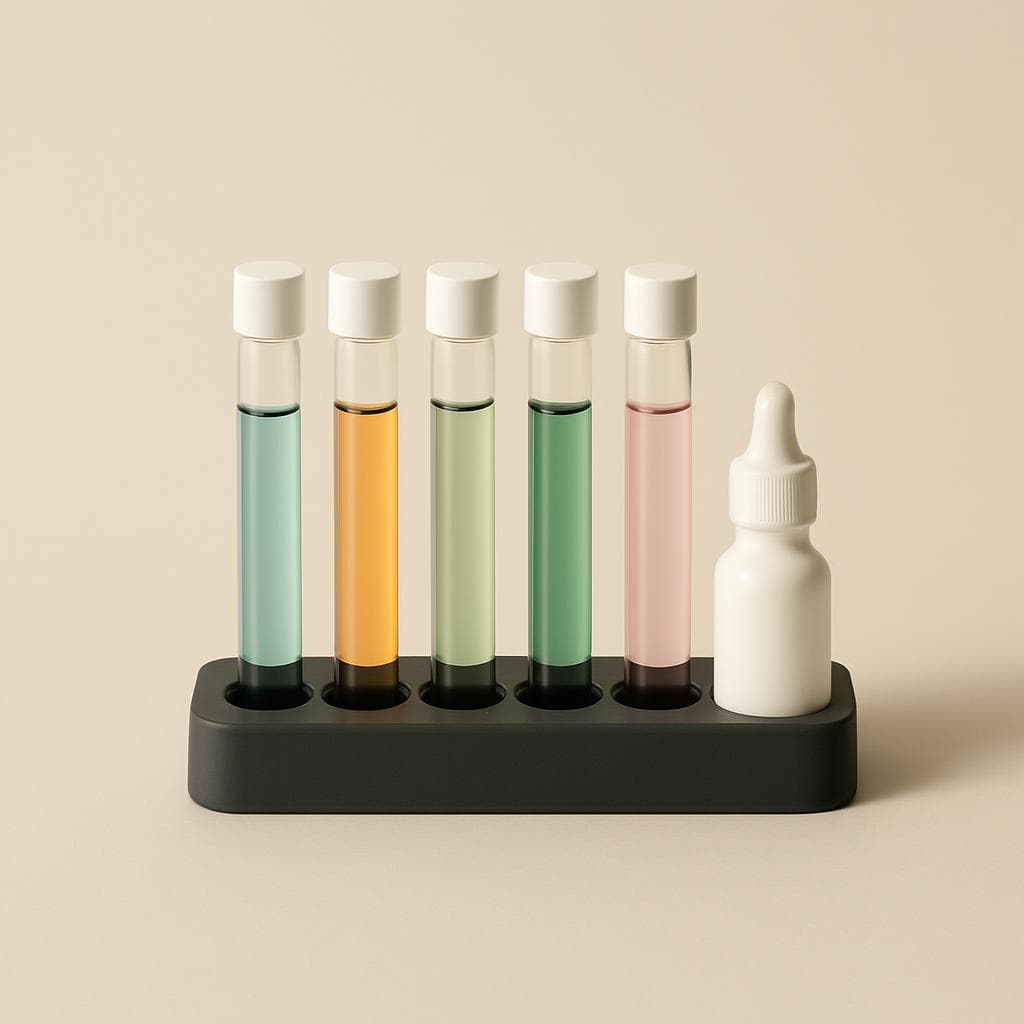
Ammonia at zero and nitrite at zero, both measured within a day of dosing, with nitrate present and rising. That is the whole test. Harder RAK water can slow the bacteria slightly compared with the soft water most cycling guides were written for, so do not assume four weeks is a guarantee, it is a rough guide for a 200 litre tank at normal room temperature. Test before you trust it, every time, with a proper liquid kit rather than strips, which lose accuracy fast in this climate once the bottle has been opened a few months.
Once you are there, stock slowly. Add a small group first, not the full stocking list in one afternoon, and retest daily for the following week. A cycled tank can still spike if you ask the bacteria to handle four times the waste load overnight. We would rather sell you fish in three visits over a month than watch you lose a tank of them in the first week.
Mentioned in this note
What we would reach for
 Bestseller
Reef & Rill · Care and health
Reefline 6 in 1 water test kit
Liquid reagents for the six numbers that decide whether a tank is fine or about to crash.
4.8 (74)Rated 4.8 out of 5 from 74 reviewsAED 168
Reef & Rill · Care and health
Neutraline dechlorinator, 500ml
Binds chlorine, chloramine and heavy metals in about two minutes. One capful treats 200 litres.
4.7 (88)Rated 4.7 out of 5 from 88 reviewsAED 62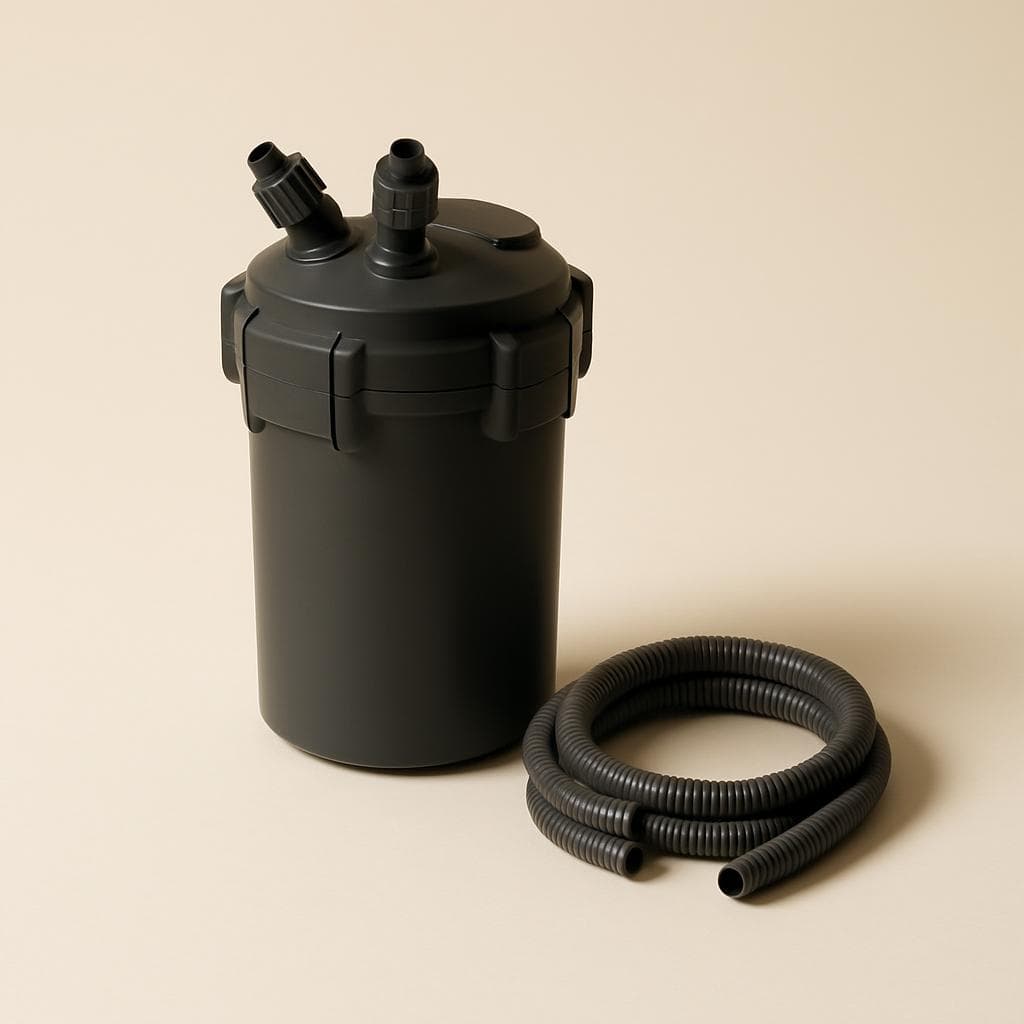
Mangrove · Fish supplies
Mangrove 700 canister filter
700 litres an hour, four media baskets, and a priming pump that actually primes on the first pull.
4.8 (41)Rated 4.8 out of 5 from 41 reviewsAED 620